How wise or compassionate is a provincial government that funds reckless chemical experiments in the atmosphere over a region experiencing massive wildfires?? That’s what the BC government did–they funded a start-up called Skyward Wildfire with $1 million.
In July, the Fire Chief of Summerland, BC, told a CBC reporter the Bald Range wildfire doubled in size so fast firefighters could do little but order over 12,000 residents to flee. “The fire exploded,” he said. CBC’s Johanna Wagstaffe said, “I’ve never seen anything like this as a meteorologist.” During California’s deadliest-ever fire season in 2018, their exasperated Fire Chief told reporters the “fire behaviour has changed, the fires are exploding.”
When we hear the word “exploding,” we can point directly at the chemical industrial complex. Every year, for well over fifty years, flammable chemicals particular to geoengineering are sprayed into earth’s atmosphere.

The Piper should look familiar to people in this region. For months, a yellow one has been flying into Lillooet with a Lidar bubble on its belly. It circles around and around, from various altitudes, for 30-45 minutes, then flies out again. Local municipality does not know what it is.
Billions and billions of pounds of chemicals that are hostile to lightning, fire, water and fire-fighting—not to mention human health, the entire ecosystem and all its lifeforms—are dumped into the air we all need to breathe.
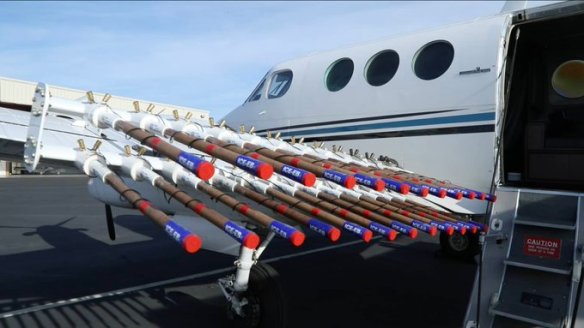
When we research Material Safety Data (MSD) sheets—the respected, globally-harmonized standard of chemical reporting—this is what we find:
- Aluminum Particulate: “reacts violently and/or explosively with water, steam or moisture.”
- Barium: “Contact with water releases flammable gases which may ignite spontaneously.”
- Sodium Chloride: “avoid excess heat and exposure to moist air or water or will explode”.
- Sulphur dioxide: “may explode if heated.”
- Silver Iodide: “excess heat is a condition to avoid—no data available for explosive limits.” Potassium Chloride: must be “kept away from heat or sources of ignition.”
- Calcium Carbonate: “may explode when heated, should not be released into the environment.”
- Aluminum Strontium: “should not be released into the environment. Do not allow product to reach ground water, water course or sewage system.”
- Manganese: “keep away from heat, sparks or open flames.”
- Titanium Oxide nano-particles: “must be kept away from open flames and sources of ignition.”
- Aluminum oxide: “avoid excessive heat.”
They say they’re doing this in order to “cool the planet”. They’ve blabbed on about reducing CO2. They’ve terrorized us for years about global warming.
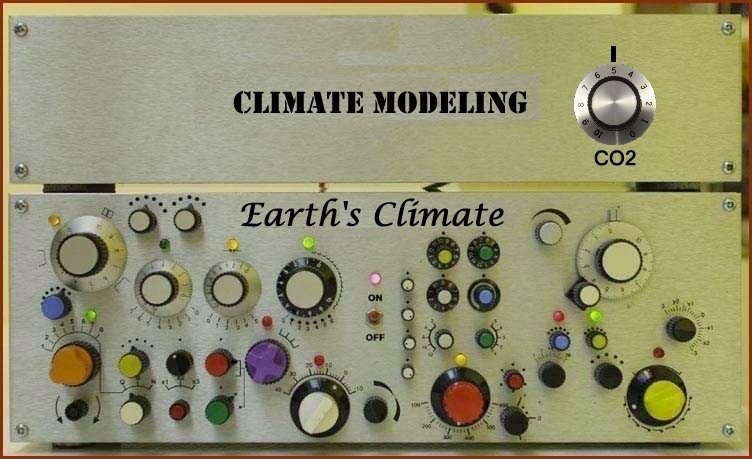
Now this latest story is they’re spraying chemicals in order to manipulate where lightning strikes. Sounds to me like some fools with big-fat money are suffering from a big-fat God complex.
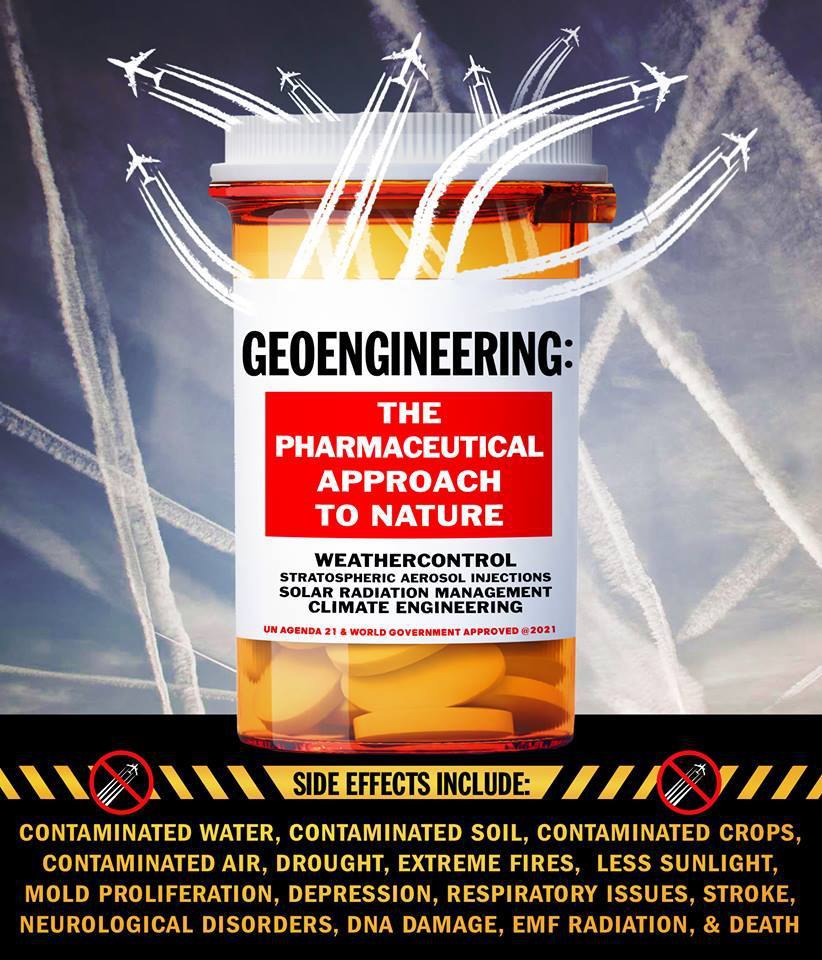
It’s time for us to start connecting the dots. We’re the ones living in harm’s way—every year wildfires get bigger, more volatile, and greater in number; climate emergencies are, to a large extent, being manufactured, or ‘geoengineered’.
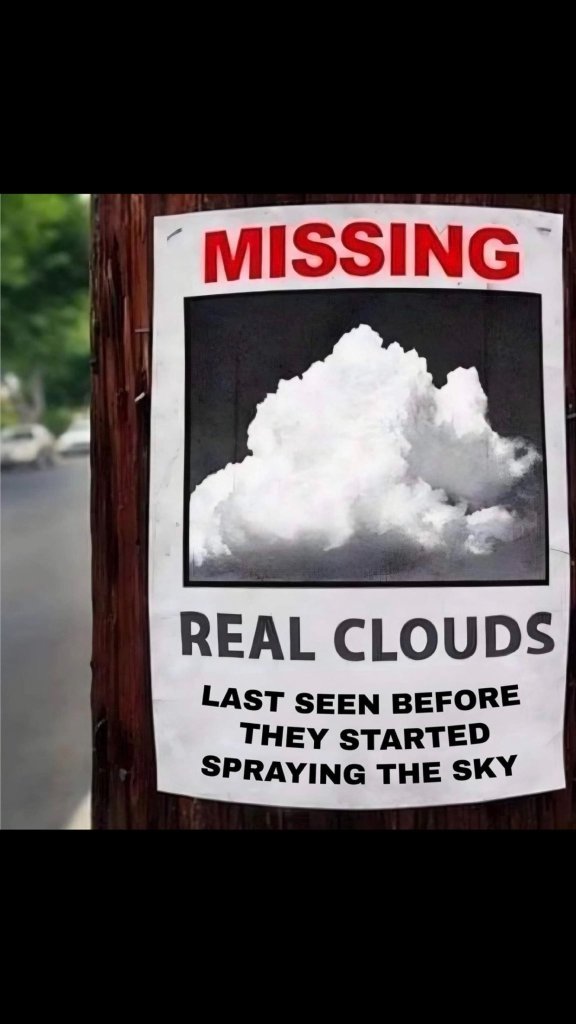
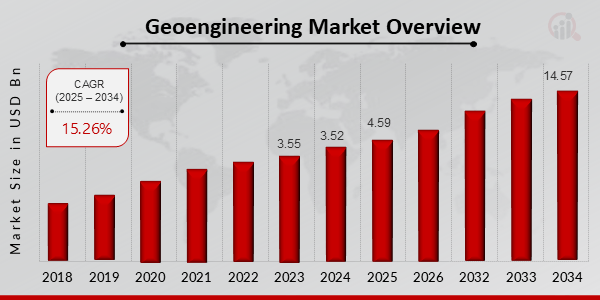
It’s time to disassemble the climate crisis narrative into its component parts. And one integral part is that ‘geoengineering’ brings in $5 TRILLION per year for the chemical industrial complex.
More details here in my just-published article in Druthers, Canada’s hardest-working independent newspaper with well over 150,000 subscribers and countless more readers online.
Discover more from the Lillooet Gazette
Subscribe to get the latest posts sent to your email.


The clear evaluation of * Flammable Chemicals and Wildfires addresses several key challenges in a concise yet informative manner. Thanks for sharing.
LikeLike